Coffee Beans 101: Whatever You Required to Learn About Espresso and Blended Coffee Beans
When it concerns coffee, recognizing the subtleties of espresso and combined beans can transform your day-to-day cup. You'll find the distinct features of Arabica and Robusta beans, and exactly how each impacts taste and caffeine material. From the expanding process to toasting techniques, every action plays a role in your coffee experience. So, what makes the excellent mixture? Let's discover the necessary elements that add to an outstanding cup of coffee.
Comprehending Coffee Beans: Ranges and kinds
When diving into the world of coffee, recognizing the types and ranges of coffee beans is crucial for each lover. You'll primarily experience 2 major species: Arabica and Robusta. Arabica beans are recognized for their smooth, complex flavors and lower high levels of caffeine content, making them a favorite among coffee enthusiasts. On the various other hand, Robusta beans load a strike with a more powerful, much more bitter taste and higher high levels of caffeine degrees, typically made use of in coffee blends.Within these species, you'll find various regional ranges, each bringing special attributes. Ethiopian Yirgacheffe offers bright floral notes, while Colombian beans provide a well-balanced flavor account. As you discover, bear in mind to pay focus to handling approaches like cleaned or all-natural, as they can greatly affect the last preference. By familiarizing yourself with these beans and their flavors, you'll elevate your coffee experience and make even more enlightened options in your developing journey.
The Growing Process: From Seed to Bean

It all beginnings with seed choice techniques that establish the foundation for quality when you discover the journey of coffee. From there, cultivation and collecting play necessary functions in ensuring the beans grow. Lastly, processing approaches transform those collected cherries into the coffee beans you love.
Seed Selection Strategies
Selecting the ideal seeds is crucial for creating high-quality coffee beans, as it lays the foundation for the whole growing procedure. You ought to begin by choosing seeds from reputable resources that focus on quality and hereditary variety. Search for selections known to flourish in your certain climate and soil problems. Take notice of the seed's age and storage problems, as fresh seeds often tend to sprout better. When feasible, decide for organic seeds to lessen direct exposure to unsafe chemicals. Think about the illness resistance of various selections, as this can considerably influence your return. Lastly, don't think twice to talk to local farmers or experts to gain understandings right into the most effective seed options for your area. This understanding will certainly boost your coffee-growing experience.
Growing and Harvesting
As you nurture your coffee seeds right into growing plants, comprehending the cultivation and harvesting process is crucial for achieving the very best taste and high quality. SOE. Start by growing your seeds in well-draining soil, preferably in a shaded area to safeguard them from direct sunlight. As your plants expand, maintain regular wetness, and bear in mind their requirement for nutrients. Trim routinely to advertise airflow and healthy growth.When it comes time to harvest, try to find ripe cherries, which generally turn a vivid red. Hand-picking is usually the most effective technique to guarantee just the ripest cherries are chosen. Timing is necessary; collecting as well late or as well early can influence the flavor profile of your beans. Accept perseverance and care, as this is where quality begins
Processing Techniques Clarified
The next important step is processing them to change those lively fruits right into the beans you'll make once you have actually gathered your coffee cherries. There are 2 major techniques: the dry procedure and the wet process. In the dry procedure, you spread the cherries out in the sun to completely dry, allowing the fruit to ferment and present distinct tastes to the beans. On the various other hand, the wet procedure involves eliminating the fruit instantly and fermenting the beans in water, causing a cleaner taste. After processing, the beans are hulled, arranged, and generally dried once again. Each approach affects the taste account, so experimenting with both can assist you uncover your favorite brew. Recognizing these methods is essential to appreciating your coffee experience.
Toasting Strategies: Exactly How Taste Is Created
Understanding roast levels is crucial to disclosing their one-of-a-kind tastes when it comes to toasting coffee beans. Each roasting technique effects the scent and boosts the taste growth procedure, offering you a richer coffee experience. Allow's discover how these factors come together to elevate your daily brew.
Roast Levels Discussed
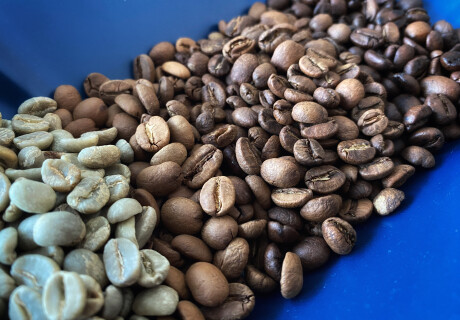
Roast levels play a vital function fit the flavor profile of your coffee. You'll delight in bright acidity and fruity notes when you choose a light roast. As you relocate to a medium roast, you'll observe a balance of sweet taste and intricacy, often highlighting delicious chocolate or sugar tastes. Dark roasts, on the other hand, deliver vibrant, great smoky attributes with less acidity, making them durable and abundant. Each level arises from website here various roasting times and temperature levels, affecting the beans' chemical composition. By recognizing these degrees, you can better pick a coffee that matches your preference preferences. Experiment with various roasts to find which one resonates with you, boosting your general coffee experience and enjoyment.
Effect on Aroma
The roast level not only affects the preference of your coffee however additionally greatly influences its fragrance. When you pick a light roast, you'll usually see intense, flower notes that can make your coffee odor dynamic and fresh. As the beans darken, the fragrance changes; a tool roast draws out more well balanced, caramelized aromas, while a dark roast has a tendency to feature vibrant, great smoky undertones. Each toasting method launches different volatile substances, shaping how your coffee scents. Furthermore, the freshness of the beans plays a crucial duty; fresh roasted coffee releases a lot more fragrant oils, enhancing that attracting aroma. Pay interest to the roast degree-- it's crucial to revealing the complete aromatic experience of your mixture.
Flavor Advancement Process
As you discover the taste growth process, you'll discover that roasting methods play a critical role in shaping the taste profile of your coffee. The roasting temperature level and time straight affect the level of acidity, sweet taste, and anger of the beans. Light roasts preserve even more of the bean's initial tastes, highlighting fruity and flower notes. Tool roasts equilibrium level of acidity and body, supplying a well-rounded flavor. Dark roasts, on the other hand, highlight vibrant, great smoky features while reducing the bean's integral top qualities. Throughout toasting, chemical responses, like the Maillard reaction and caramelization, transform the beans and enhance their complexity. Try out various roasting degrees can assist you discover your ideal brew, so do not wait to taste and uncover the abundant spectrum of tastes!
Coffee vs. Blended Coffee: Secret Differences
Coffee and combined coffee each offer distinct experiences that satisfy various tastes and choices. Coffee is a concentrated coffee made by compeling warm water through finely-ground coffee beans, resulting in an abundant, strong flavor and a luscious layer of crema on the top. It's frequently taken pleasure in as a shot or utilized as a base for drinks like lattes and cappuccinos.On the other hand, combined coffee integrates various beans from various regions, creating a much more balanced taste profile. You'll often locate blends that highlight sweetness, level of acidity, or body, making them functional for different developing methods. While coffee concentrates on intensity, combined coffee may supply a wider array of flavors that can transform with each sip.Ultimately, your choice between coffee and blended coffee come down to a knockout post your individual preference. Whether you hunger for a leisurely cup or a quick shock, both options have something tasty to offer.
Brewing Approaches: Unlocking the Perfect Cup
Discovering the right approach can transform your experience and elevate your cup when it comes to developing coffee. Each developing technique has its distinct appeal and can greatly affect your coffee's flavor and scent. For instance, making use of a French press allows you to delight in a rich and robust mixture, while a pour-over approach offers a clean, bright mug with distinct flavors.If you like coffee, spending in a high quality machine can aid you grasp the art of pulling shots. For convenience, a single-serve sheathing system provides speed without compromising taste.Don' t fail to remember regarding cold mixture, which delivers a smooth, less acidic coffee ideal for hot days. Try out various approaches to find what reverberates with your palate. Each developing technique opens a new world of opportunities, so make the effort to explore and find your best cup. Delighted developing!
Sampling Notes: Determining Flavor Profiles
How can you truly appreciate your coffee if you do not understand what tastes to look for? Sampling notes are your overview to comprehending the complicated world of coffee. Pay interest to the preliminary flavors that strike your palate when you sip. You could spot fruity notes, like berry or citrus, or possibly a nutty undertone. As you remain to taste, notice just how the tastes progress-- this is called the "surface." Some coffees might leave a chocolatey or sugar aftertaste, while Continued others may have an intense, tidy finish.Consider the body of the coffee, too; is it light and ventilated or thick and syrupy? Don't neglect level of acidity; a bright level of acidity can add vitality, while a reduced level of acidity might offer a smoother experience. By recognizing these flavor accounts, you'll strengthen your link with each mug, making coffee sampling a delightful trip of exploration.
Tips for Choose and Keeping Coffee Beans
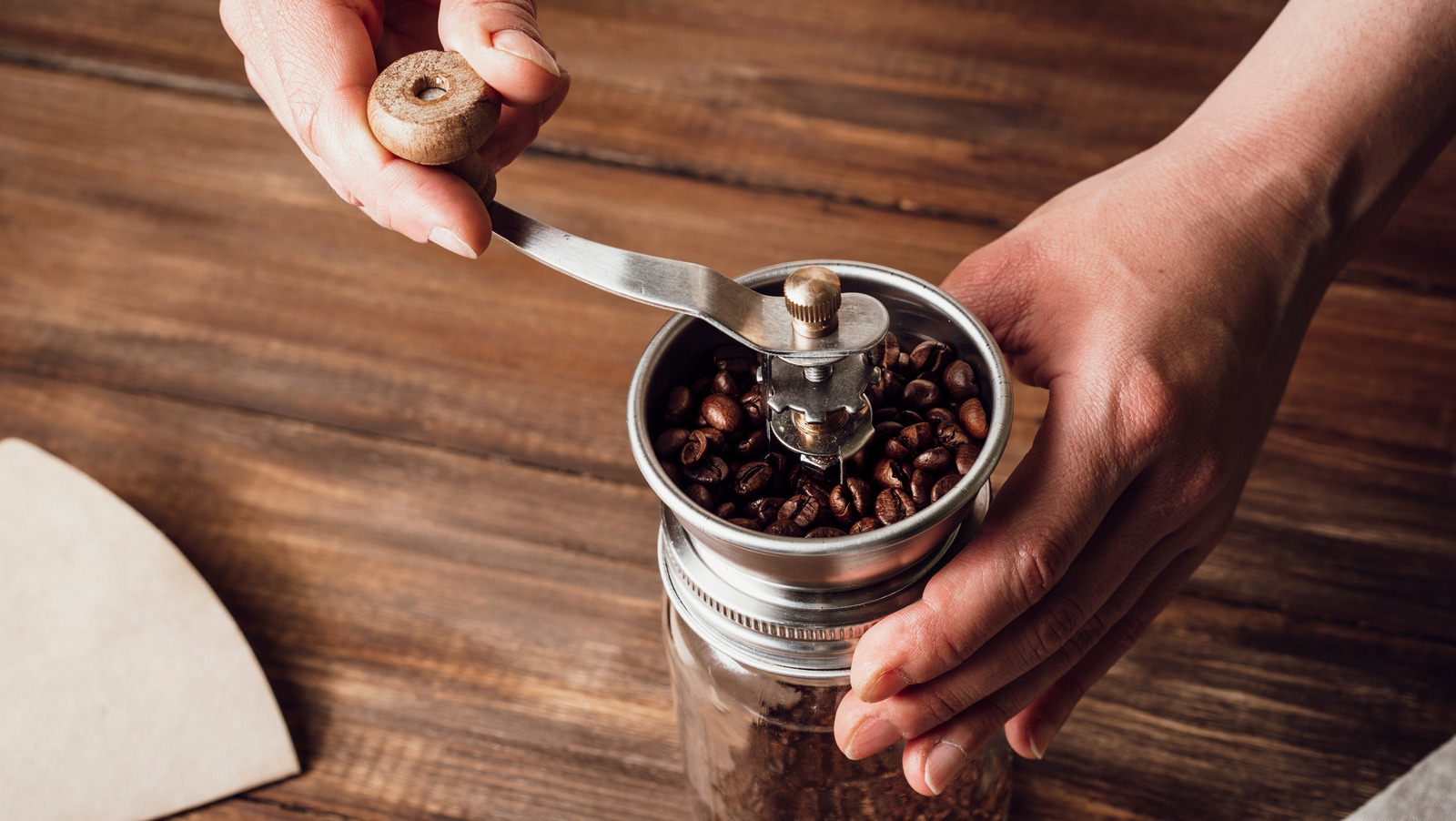
Saving and choosing coffee beans appropriately can significantly improve your developing experience. Begin by picking top quality beans that fit your taste. Seek quality; beans baked within the last 2 weeks are perfect. Inspect the roast date on the product packaging, and purchase from trustworthy roasters or local shops.Once you have your beans, save them in a closed container to protect against exposure to air, wetness, and light. A dark, cool place functions best, so stay clear of maintaining them in the fridge or freezer, as this can present dampness. Just grind the quantity you need to keep quality; whole beans retain taste longer than pre-ground coffee.Lastly, try to use your beans within 2 to four weeks after opening up for peak preference. Complying with these pointers will guarantee your coffee stays tasty and pleasurable, elevating your daily brew to new elevations.
Regularly Asked Inquiries
The Length Of Time Do Coffee Beans Keep Fresh After Roasting?
Coffee beans remain fresh for concerning 2 weeks after roasting. You ought to save them in an airtight container, away from light and wetness. Afterwards, their taste and aroma begin to diminish substantially.
Can I Mix Different Coffee Bean Varieties?
Definitely, you can mix various coffee bean ranges! Trying out with blends can enhance tastes and develop a distinct taste account. Just make certain to balance the staminas and qualities of each selection for the ideal outcomes.
What Is the Suitable Work Dimension for Espresso?
Exactly How Does Altitude Affect Coffee Bean Taste?
Altitude impacts coffee bean flavor by affecting the growth rate and chemical composition. Greater altitudes lead to slower maturation, which enhances acidity and intricacy, offering your coffee a lively and special preference you will not neglect.
Are There Decaffeinated Versions of Coffee Beans?
Yes, there are decaffeinated versions of coffee beans. You can enjoy an abundant espresso flavor without the caffeine kick. Simply try to find "decaf" blends at your local cafe or specialized store. Single Origin Espresso. When diving right into the world of coffee, recognizing the types and selections of coffee beans is crucial for every enthusiast. When it comes to toasting coffee beans, understanding roast levels is crucial to exposing their one-of-a-kind tastes. Espresso is a concentrated coffee brewed by requiring hot water via finely-ground coffee beans, resulting in an abundant, strong taste and a luscious layer of crema on top. While coffee focuses on strength, blended coffee may offer a wider variety of tastes that can alter with each sip.Ultimately, your selection in between espresso and combined coffee boils down to your personal choice. Some coffees might leave a chocolatey or caramel aftertaste, while others may have a brilliant, clean finish.Consider the body of the coffee, as well; is it light and airy or thick and syrupy?